Continue with Google


Plan Your Dream Trip
Handcrafted itineraries by travel experts
Book Your Trip
Share your details and our travel expert will reach out shortly.
Location Not Specified View Location
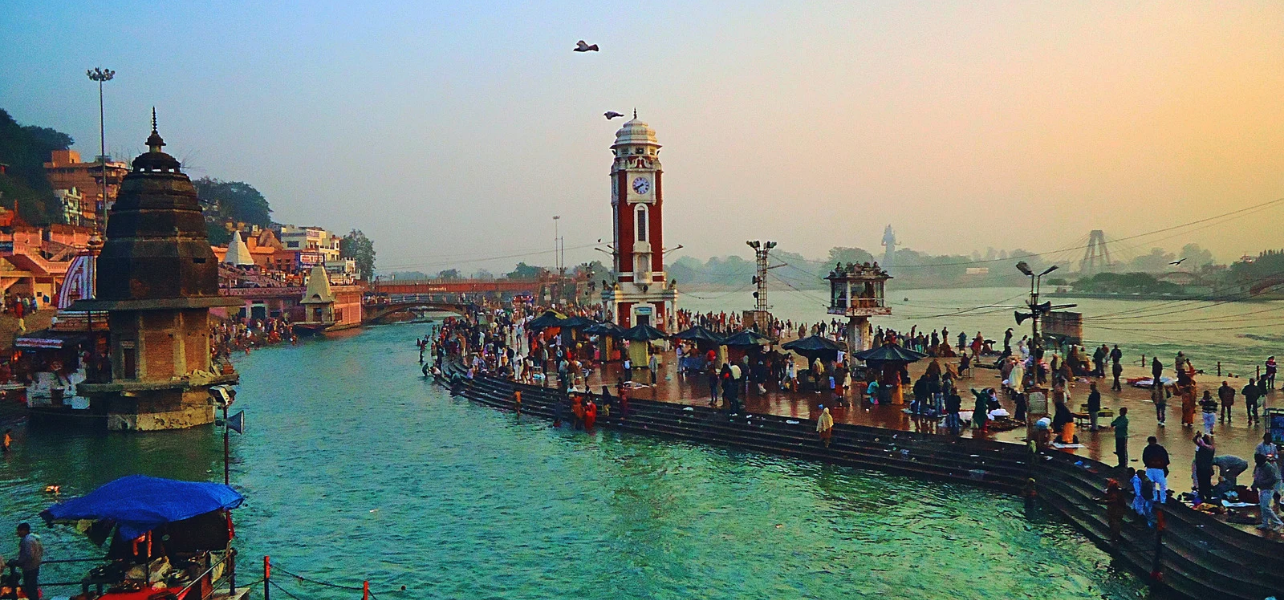
Har-Ki-Pauri
Ganga-Aarti
Akharas
Mansa-Devi
The Haridwar Ardh Kumbh Mela 2027 is a huge holy festival held every six years on the banks of the River Ganges. Millions of devotees visit to take a holy dip (Shahi Snan) to wash away sins and receive divine blessings. Our all-inclusive packages start at ₹10,999 per person, covering comfortable stays, private AC rides, guided ghat visits, and all daily meals.
The Haridwar Ardh Kumbh Mela 2027 is a big holy festival held every six years at Har-ki-Pauri, where divine nectar once fell. People visit to take a holy dip (Shahi Snan), pray, help others, and see the evening Ganga Aarti to wash away sins.
The Haridwar Ardh Kumbh Mela 2027 is one of the largest and most spiritual gatherings in the world. Held once every six years along the holy banks of the River Ganges in Haridwar, it draws millions of devotees, saints, and tourists from across the globe.
In Hindu traditions, water is viewed as a source of life and spiritual purity, but during the Ardh Kumbh, the waters of the Ganges are believed to take on special divine properties. Taking a holy dip here is not just a ritual, it is a deeply transformative experience meant to wash away past karmic burdens, cleanse the mind and body, and bring inner peace.
Spiritual Cleansing: Bathing during auspicious dates is believed to liberate the soul (Moksha) and free one from the cycle of birth and rebirth.
Confluence: Millions of seekers meet to share wisdom, listen to spiritual discourses, and practice meditation together.
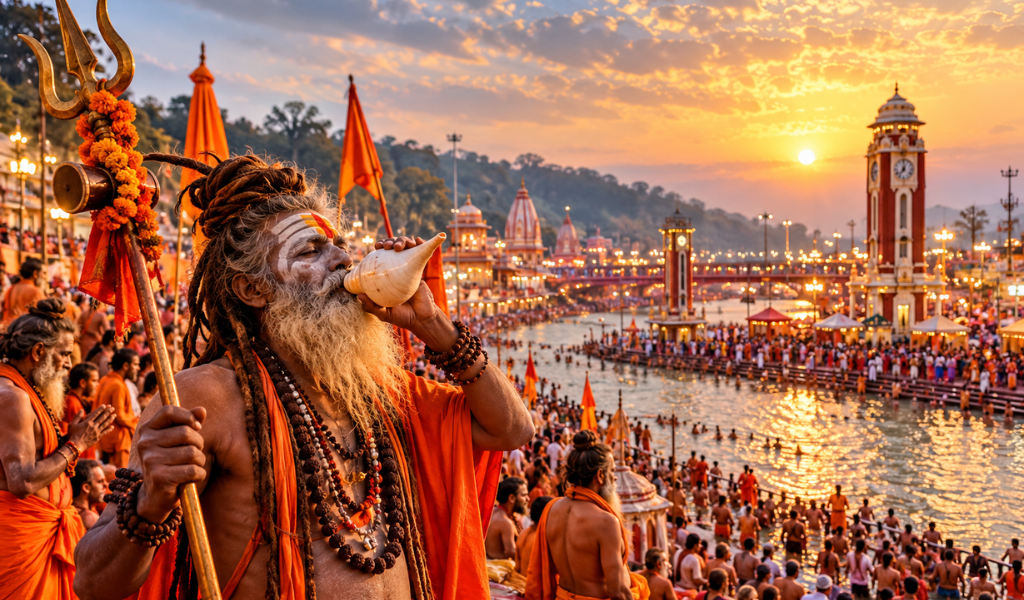
Darshan of Saints: Unique access to men, including Naga Sadhus, Mahants, and Akharas who emerge from mountain retreats specifically for this grand event.
The story of the Kumbh Mela is rooted in ancient Vedic mythology and comes from the famous legend of Samudra Manthan (the churning of the cosmic ocean).
The Pot of Immortality (Amrit Kumbh): Long ago, the Devas (gods) and Asuras (demons) decided to churn the primordial ocean using Mount Mandara as the rod and the serpent Vasuki as the rope. Out of this churning came many divine treasures, culminating in Dhanvantari holding a golden pot (Kumbh) filled with Amrit—the nectar of eternal life.
The 12-Day Divine Chase: Fearing that the demons would gain immortality and misuse their power, a fierce battle broke out to claim the pot. Lord Vishnu took the form of the enchantress Mohini to secure the nectar. During the celestial chase, Lord Vishnu’s mount, Garuda, flew across the heavens carrying the pot. This chase lasted 12 divine days, where 1 divine day equals 12 human years.
The Four Drops: As Garuda flew across the sky, four drops of the divine nectar spilled out and fell onto four spots on Earth:
Haridwar (at Har-ki-Pauri on the River Ganges)
Prayagraj (at the Triveni Sangam of Ganga, Yamuna, and Saraswati)
Ujjain (along the banks of the Shipra River)
Nashik (along the banks of the Godavari River)
The Ardh Kumbh at Haridwar occurs when specific astrological positions align—primarily when Jupiter (Guru) enters Aquarius (Kumbha Rasi) and the Sun (Surya) enters Aries (Mesha Rasi). During this specific alignment, the water at Har-ki-Pauri is believed to be charged with cosmic energy and divine nectar.
To experience the full spiritual benefits of the bath during Haridwar Ardh Kumbh Mela 2027, pilgrims follow traditional steps passed down through generations:
Preparation & Cleanliness: Before entering the river, wash your feet thoroughly at the designated steps and maintain a calm, respectful mindset.
Sankalp (Intention & Vow): Stand near the edge of the river facing east toward the rising sun. Hold a small amount of Ganga water, flowers, or raw rice in your palms. Silently state your name, family lineage (Gotra), and your spiritual prayer or intentions.
The Three Submersions (Shahi Snan): Step into the river safely. Take three full submersions beneath the water surface:
First dip: To honor the ancestors and express gratitude.
Second dip: To seek personal purification and physical wellness.
Third dip: To pray for global peace, harmony, and spiritual liberation.
Mantra Chanting: While dipping, chant simple mantras like "Om Namah Shivaya", "Om Gange Maayai Namah", or "Jai Gange Mata".
Arghya (Sun Offering): Stand in the water facing the sun. Join your palms together filled with Ganga water (or use a small copper Lota) and raise your hands above head height, allowing the water to trickle back down into the river while looking toward the sun.
Daan (Charity & Kindness): Spiritual tradition emphasizes giving back after the dip. Offer small donations, grains, or warm clothes to priests, sadhus, or those in need along the ghats.
Evening Ganga Aarti & Diya Floating: End your day by visiting Har-ki-Pauri during the evening Aarti. Light a small leaf lamp (Dona Diya) decorated with marigold flowers, make a wish, and set it afloat on the gentle waves of the river.
Importance: This is the official opening day of the festival, marking the sacred time when the Sun God (Surya Dev) starts moving into the northern sky (Uttarayan). Taking a dip on this day is believed to bring good health, peace, and positive energy for the rest of the year.
Importance: Considered one of the most powerful and sacred days of the mela, when divine energies fill the Ganges. Devotees observe a strict silent fast (Maun Vrat) all day to focus inward. Taking a quiet, meditative dip here purifies the mind, calms emotions, and washes away past sins.
Importance: This day marks the official arrival of spring and honors Goddess Saraswati, the deity of wisdom and learning. Bathing in the Ganga on Basant Panchami brings mental clarity, creative energy, and blessings for education and personal growth.
Importance: A holy full-moon day revered by saints, sadhus, and pilgrims alike. Ancient scriptures say that heavenly beings descend to Earth to take a dip in the Ganga on this day. Performing a bath and offering charity (Daan) after your dip multiplies spiritual rewards.
Importance: The sacred festival dedicated to Lord Shiva and the first major royal bath (Amrit Snan) of the mela. It is deeply significant for Shiva seekers. Taking a dip on Shivratri removes life hurdles, grants mental peace, and deepens your spiritual connection.
Importance: Marks the official beginning of the traditional Hindu New Year. Starting the new year with a holy dip in the Ganges is believed to invite divine protection, family harmony, and continuous prosperity throughout the coming year.
Importance: A deeply auspicious new-moon day designated as a sacred Amrit Snan. This day is especially important for offering water and prayers to your ancestors (Pitru Tarpan), helping clear family karma and bringing peace to your lineage.
Importance: The biggest and most significant royal bath (Amrit Snan) of the entire Ardh Kumbh Mela, occurring when the Sun enters Aries (Mesh Rasi). Due to rare cosmic and planetary alignments, the Ganges water at Har-ki-Pauri is believed to transform into divine nectar (Amrit). Bathing on this day leads toward true spiritual liberation (Moksha).
Importance: The joyful celebration of Lord Rama's birth anniversary. A sacred dip on Ram Navami fills life with moral strength, truthfulness, courage, and spiritual joy.
Importance: The grand final full-moon day that marks the official closing of the 2027 Ardh Kumbh Mela. Taking the final bath on this day allows pilgrims to absorb the combined spiritual merit and blessings of the entire festival.
The best time to visit Haridwar Ardh Kumbh 2027 is between January and April 2027. Choose peak Amrit Snan dates in March for maximum spiritual energy, or regular weekdays for a calm family visit with fewer crowds. Book your stay 3–6 months early!
If you want to experience the main spiritual energy and take a dip on the most sacred days, plan your visit around these primary dates:
Maha Shivratri (06-March-2027): The first grand royal bath (Amrit Snan) of the festival.
Mesh Sankranti (14-March-2027): The absolute main Amrit Snan day when planetary alignments are most powerful.
Mauni Amavasya (06-February-2027): Ideal for quiet prayers and deep meditation.
Expect huge crowds, heavy security, traffic diversions, and long waiting lines near Har-ki-Pauri on these major dates.
If you are traveling with elderly family members or young children and want to avoid huge rush:
Visit on Regular Days: Plan your stay on the days between the major Snan dates (especially during late February or late March).
Benefits: You get easier access to the ghats, shorter wait times for Ganga Aarti, and cheaper stay options.
January to February: Cool and chilly weather. Pack heavy woolen clothes, jackets, and thermal wear for morning river dips.
March to April: Pleasant and mild weather. Light cotton clothes with a thin jacket for early mornings are ideal.
Book 3 to 6 Months Ahead: Hotels, ashrams, and luxury camps near Har-ki-Pauri fill up very fast.
Book AC Transfers Early: Secure your private cars or luxury buses in advance to avoid last-minute price spikes during peak bathing dates.
Beyond the holy dip, top places to visit during Haridwar Ardh Kumbh 2027 include Har-ki-Pauri for Ganga Aarti, hilltop temples like Mansa Devi and Chandi Devi, historic Maya Devi Temple, and a quick day trip to Rishikesh.
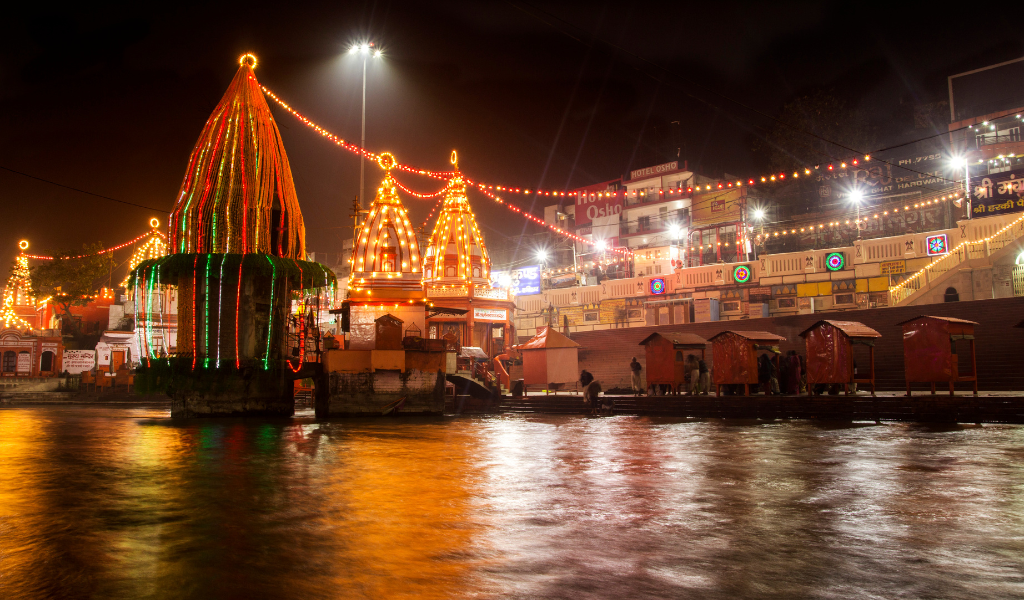
This is the most famous ghat on the banks of the Ganges and the exact spot where drops of divine nectar fell.
Highlight: Experience the world-famous evening Ganga Aarti, where hundreds of lamps float on the river amidst chanting and bells.
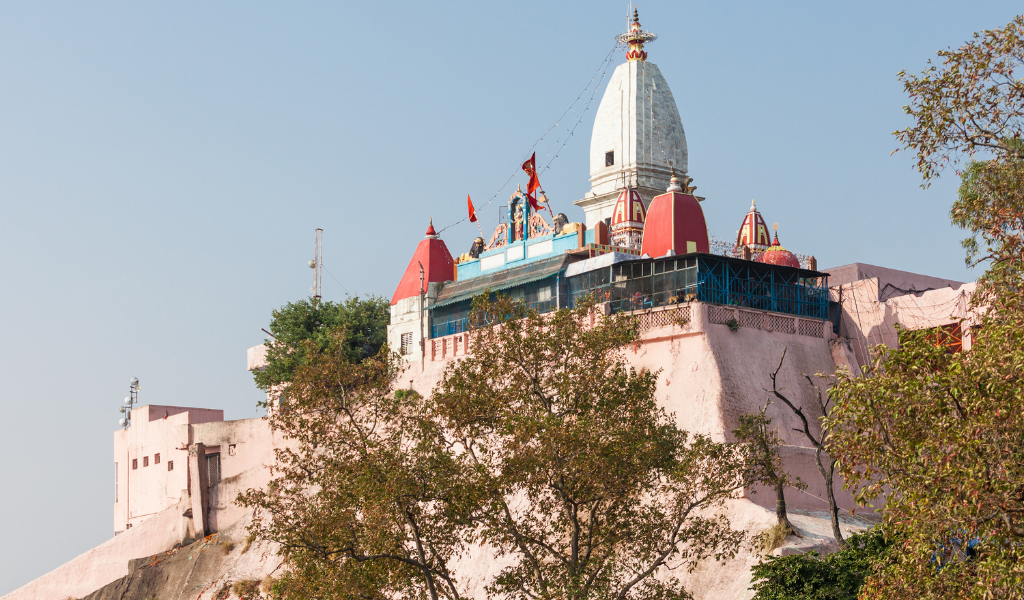
Located atop Bilwa Parvat, this temple is dedicated to Goddess Mansa Devi, who fulfills the wishes of her devotees.
Highlight: Take the fun cable car ride (Udan Khatola) to reach the hilltop and enjoy views of Haridwar city.
Situated on Neel Parvat across the river, this holy shrine honors Goddess Chandi and was established by Adi Shankaracharya.
Highlight: Accessible by ropeway or a trek through green hills.
A unique 8-story temple dedicated to Mother India, celebrating freedom fighters, saints, and Indian history.
Highlight: Each floor highlights a different era of Indian culture and spiritual heritage.
One of the oldest temples in Haridwar and one of the 51 Siddha Peethas, where Goddess Sati's heart and navel are believed to have fallen.
Highlight: A peaceful location for deep meditation and traditional pujas.
The global headquarters of All World Gayatri Pariwar, focused on moral and spiritual awakening.
Highlight: Walk through calm, green gardens and take part in daily group prayers and yoga.
Located just 25 km from Haridwar, Rishikesh is known as the Yoga Capital of the World.
Highlight: Visit iconic suspension bridges like Laxman Jhula and Ram Jhula, explore the Beatles Ashram, and watch the peaceful evening Aarti at Triveni Ghat.
Stay safe during the Haridwar Ardh Kumbh 2027 by carrying physical IDs, following official crowd routes and designated bathing zones, and keeping valuables minimal while utilizing local help desks.
Carry Physical Documents: Always keep original government-issued photo IDs (like your Aadhaar Card, Voter ID, or Passport) along with a couple of photocopies handy.
Mela Passes & Bookings: Keep printouts of your accommodation bookings and any official mela registration passes secure in a waterproof folder. Digital copies on phones can sometimes fail if network connectivity slows down in massive crowds.
Follow Color-Coded Routes: Pay close attention to the administration's signs, color-coded transit zones, and public address announcements to navigate safely through peak areas.
Use Designated Bathing Zones: Stick strictly to authorized ghats and marked safe boundaries near Har-ki-Pauri for your holy dip.
Wear Comfortable Footwear: Expect to walk long distances on foot as vehicle entries are restricted near the ghats. Wear sturdy, easy-to-slip-off walking shoes and waterproof sandals.
Plan Meeting Points: Cellular networks can get congested during major bathing days. Before entering a crowded area, decide on a specific landmark or police post where your group will regroup if anyone gets separated.
Travel Light: Avoid wearing heavy gold jewelry, carrying expensive gadgets, or bringing excess cash. Keep only small denominations of cash for daily needs.
Emergency Help Desks: Temporary police posts and lost-and-found public announcement booths are set up across all major zones. Head directly to these desks if you misplace an item or get separated from family members.
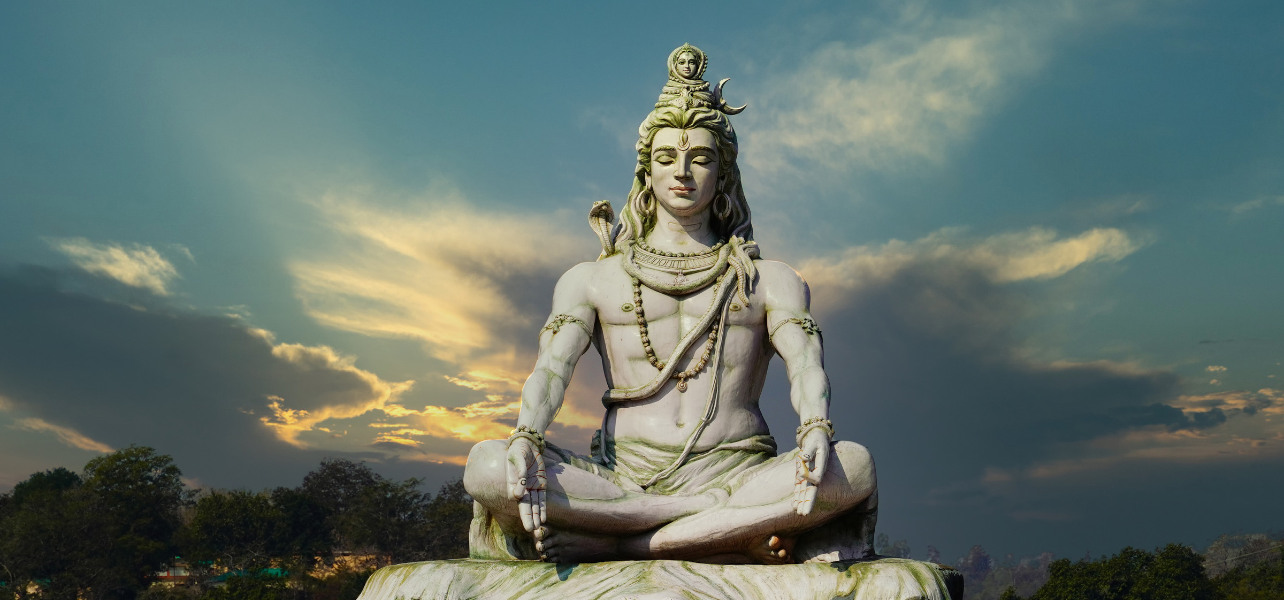
Akharas are traditional orders of Hindu saints and sadhus originally established to protect Sanatan Dharma and preserve Vedic wisdom. There are 13 officially recognized Akharas that participate in the mela, categorized into three primary sects:
Shaiva Akharas (7 Orders): Devoted to Lord Shiva. These include famous orders like Juna Akhara (the largest and oldest), Niranjani Akhara, and Mahanirvani Akhara.
Vaishnava Akharas (3 Orders): Devoted to Lord Vishnu and Lord Rama, also known as Bairagi sadhus. These include Nirmohi, Nirvani, and Digambar Akharas.
Udasin & Nirmal Akharas (3 Orders): Following the spiritual teachings of Guru Nanak Dev Ji’s son, Sri Chand Ji, and Sikh tradition. These include Bara Udasin, Naya Udasin, and Nirmal Akhara.
Before the main bathing dates begin, each Akhara makes a grand ceremonial entry into the mela grounds. This royal procession is called the Peshwai.
What to Expect: Thousands of sadhus march together accompanied by decorated elephants, horses, brass bands, and traditional drums. High-ranking spiritual leaders (Mahamandaleshwars) ride on silver chariots, throwing holy marigold flowers to blessing crowds.
Best Viewpoints: Peshwai processions take place along the main avenues of Haridwar leading to the temporary tent camps in the weeks leading up to Makar Sankranti.
Naga Sadhus are among the most revered and enigmatic figures of the Kumbh Mela.
Who They Are: Ascetics belonging mostly to the Shaiva Akharas who have renounced all worldly possessions, physical comfort, and clothing. They cover their bodies in sacred ash (Bhasma) and live lives of intense devotion and meditation.
Shahi Snan Rights: During major Amrit Snan (Royal Bath) dates, Naga Sadhus lead the royal bathing procession into Har-ki-Pauri before general pilgrims are allowed into the main waters. Watching their energetic rush into the holy Ganges is one of the most memorable sights of the festival.
Kumbh Mela is held once every 12 years. Ardh Kumbh Mela means "Half Kumbh" and takes place every 6 years halfway between the full Kumbh cycles. Both grand festivals hold immense spiritual importance and draw millions of pilgrims for holy baths in the Ganges.
While entry to the open ghats is generally free, the state government often requires pilgrims to complete a simple online registration for an e-Pass / Entry Pass during peak dates. This helps manage crowd limits, safety, and security near Har-ki-Pauri.
The main and most powerful Amrit Snan (Royal Bath) date of the festival is Mesh Sankranti on 14 March 2027. Other major Amrit Snan dates include Maha Shivratri (06 March 2027) and Phalguna Amavasya (08 March 2027).
Yes. The local administration provides reserved seating areas, ramp access for wheelchairs, dedicated medical aid posts, and e-rickshaws or golf carts to help elderly pilgrims travel from parking hubs closer to the bathing ghats.
No. During peak festival dates, private cars and buses are stopped at designated satellite parking hubs (like Motichur or Bairagi Camp) 5 to 8 km away from the main ghats. Pilgrims must use shuttle buses, e-rickshaws, or walk to reach Har-ki-Pauri.
Pilgrims can stay in traditional ashrams, dharamshalas, government-run GMVN guest houses, 3-star to 5-star hotels, or temporary luxury tent cities set up near the Ganges.
You should book 3 to 6 months in advance. Stays near Har-ki-Pauri and key ghats sell out very quickly, especially for major dates like Maha Shivratri and Mesh Sankranti.
Yes, the mela welcomes visitors from all over the world to observe the sacred rituals, witness the grand Peshwai processions of sadhus, and experience the evening Ganga Aarti.
The traditional royal baths (Shahi Snan) have been officially renamed to Amrit Snan with full consensus from all 13 Akharas and the Uttarakhand Government. The word "Amrit" reflects the sacred nectar from the ancient Samudra Manthan (Churning of the Ocean), aligning the ritual with traditional Sanskrit heritage.
The festival officially runs for 97 days, starting on 14 January 2027 (Makar Sankranti) and concluding on 20 April 2027 (Chaitra Purnima). The mela grounds are divided into 32 sectors expecting 10 to 17+ crore pilgrims, making it organized at the scale of a full Purna Kumbh.
Makar Sankranti (Opening Snan): 14 January 2027
Nav Samvatsar (Hindu New Year): 7 April 2027
Mesh Sankranti (Main Amrit Snan): 14 April 2027
Private vehicles are parked at designated outer satellite parking hubs (such as Motichur and Bairagi Camp) situated 5 to 8 km away from the main river banks. From there, eco-friendly battery-operated e-shuttles and state shuttle buses connect pilgrims directly to the ghat zones.
Each of the 32 well-demarcated sectors is fully equipped with temporary tent cities, emergency medical posts, sanitation facilities, and dedicated women-only changing enclosures at all major bathing ghats.

2 Nights 3 Days